What is Ibuprofen gel?
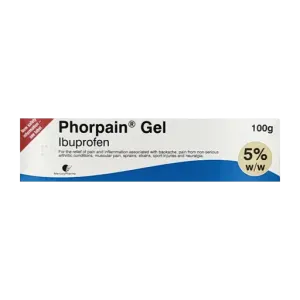
Ibuprofen is an everyday painkiller belonging to the non-steroidal anti-inflammatory (NSAID) class of drugs. As a gel it can be applied topically directly to the area reducing pain and inflammation.
It comes in two strengths Ibuprofen 5% gel and Ibuprofen 10% gel it is also available as tablets.
The active ingredient is ibuprofen: 50mg per gram in the 5% gel and 100mg per gram in the 10% gel. Both contain hydroxyethylcellulose, sodium hydroxide, benzyl alcohol, isopropyl alcohol and purified water. Benzyl alcohol may cause local irritation or an allergic reaction.
The 10% gel’s 100g option is supplied as two 50g tubes. The total amount is 100g; use the 10% directions for either tube.
How to buy Ibuprofen gel online
You can use our online pharmacy service to buy Ibuprofen 5% gel or Ibuprofen 10% gel online in the UK with collection, free or next day delivery available. We are a regulated GPhC registered pharmacy based in the UK. You will need to fill in a short assessment when you order Ibuprofen gel.
Upon completion of your order, our pharmacist will then review your online assessment. If your assessment is approved, our pharmacy team will then dispense your order, which will be dispatched the same day using your chosen delivery method.
What can Ibuprofen gel be used for?
It is used to relieve pain and inflammation in a specific area of the body, such as the back, neck, or knees. It can be used to treat a variety of conditions, including:
- Strains
- Sprains
- Backache
- Osteoarthritis
- Muscle aches and pains
How Ibuprofen gel works
Ibuprofen is a non-steroidal anti-inflammatory drug (NSAID). It works by inhibiting the production of prostaglandins, which are involved in pain and inflammation. Prostaglandins are produced in response to injury which is associated with the symptoms of redness, swelling, pain and fever. By reducing the levels of prostaglandin ibuprofen can reduce the amount of pain we experience.
When applied topically in the form of a gel, ibuprofen is absorbed through the skin and into the underlying tissues, where it can reduce inflammation and relieve pain directly at the site that is causing pain. This provides fast and effective relief with less chance of side effects than tablets which are taken orally.
How to use Ibuprofen gel
For adults and children aged 12 and over, use the amount for your strength:
- 5% gel: squeeze out a 4–10cm strip per application.
- 10% gel: squeeze out a 2–5cm strip per application.
Rub gently into the painful area until absorbed. Leave at least four hours between applications, with no more than four applications in 24 hours. Do not double a missed application.
Seek advice if symptoms worsen at any time or have not improved after 14 days. Do not continue beyond two weeks without medical review. Do not use on children under 12 unless a doctor advises it.
Apply only to healthy, unbroken skin. Avoid cuts, grazes, infected or inflamed skin and the genital area. Do not cover with plasters or dressings. Keep away from eyes and mouth; wash your hands afterwards unless treating them. Protect treated skin from direct sunlight.
Do not smoke or go near naked flames while using the gel. Clothing, bedding and other fabrics carrying gel residue can catch fire more easily.
Who cannot use Ibuprofen gel
Do not use either strength if you are allergic to ibuprofen, aspirin, another NSAID or an ingredient. The supplied leaflets also say not to use if you have asthma, allergic rhinitis or hives. Check with a pharmacist before treatment if you have a history of these conditions.
Ask a pharmacist or doctor first if you:
- Have had a stomach ulcer or another stomach or bowel problem.
- Have kidney problems.
- Take blood-pressure medicines, anticoagulants such as warfarin, aspirin or another painkiller.
Ibuprofen and other painkillers
Ibuprofen can be taken with other painkillers as long as they do not belong to the class of NSAIDs or COX-2 inhibitors such as Naproxen, Aspirin, Diclofenac, Celecoxib or Etoricoxib. Be wary if you purchase any combination medicines such as cold & flu as they may contain a NSAID, speak to the pharmacist if you are unsure.
Ibuprofen can be safely taken with Paracetamol and codeine as these work differently to Ibuprofen.
Ibuprofen gel and pregnancy
Do not use either gel in the last three months of pregnancy. During the first six months, use only if your doctor considers it necessary, using the lowest dose for the shortest time.
Ibuprofen gel and breastfeeding
The leaflets for both supplied gels advise against use while breastfeeding. Ask a pharmacist or doctor to recommend a suitable alternative.
Ibuprofen and fertility
If you are trying to become pregnant, speak to your doctor or pharmacist before using ibuprofen gel so they can advise on suitable pain relief.
Ibuprofen side effects
Possible effects include stomach discomfort, indigestion and skin irritation. Treated skin may become sensitive to sunlight.
- Stop using the gel if a rash develops.
- Seek urgent advice for signs of kidney problems, such as a marked change in how much urine you pass.
Stop treatment and get urgent medical help for:
- A widespread, blistering or peeling rash, mouth sores or a rash with fever.
- Swelling of the face, lips or tongue, sudden wheezing or difficulty breathing.
Call 999 for severe breathing difficulty or collapse. If gel is swallowed, rinse the mouth and contact a doctor or hospital promptly.
Ibuprofen gel alternatives
Alternatives to Ibuprofen gel include:
You can also use these products instead of or alongside Ibuprofen:
- Paracetamol tablets
- Co-codamol tablets
- Co-codamol soluble tablets
- Paramol tablets
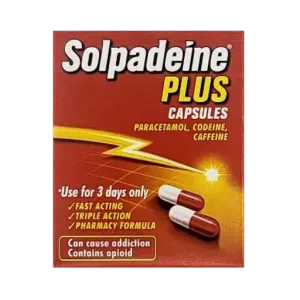
- Solpadeine Plus capsules – these contain caffeine
- Solpadeine Plus soluble tablets – these contain 8mg of codeine.
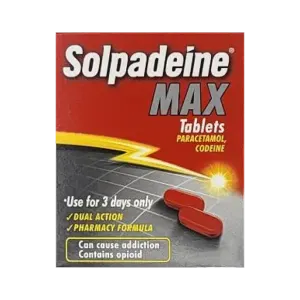
- Solpadeine Max tablets – these contain 12.8mg of codeine.
- Solpadeine Max Soluble tablets – these contain 12.8mg of codeine.
Frequently asked questions
Can you buy Ibuprofen gel over the counter?
Yes Ibuprofen 5% and 10% gel can be bought over the counter without a prescription.
Can I use Ibuprofen gel while pregnant?
Do not use in the last three months of pregnancy. In the first six months, use only on your doctor’s advice when necessary, at the lowest dose for the shortest time.
Can I use Ibuprofen gel while breastfeeding?
The supplied 5% and 10% gel leaflets advise against use while breastfeeding. Ask a pharmacist or doctor about an alternative.
Does Ibuprofen gel expire?
Yes, like most medicines it has a shelf life and will become less effective if it is left unused. Always check the expiry date of any medicines you are taking before you take them, the expiry date refers to the end of the month. If you find your medication has expired, you can post them to us, bring them to us or take them to your nearest pharmacy for safe disposal.
How should I store Ibuprofen gel?
Keep the tube tightly closed in a cool, dry place below 25°C, out of children’s sight and reach. Do not use after the expiry date. Take unwanted gel to a pharmacy for disposal.
How quickly does Ibuprofen gel work?
It can take 1 or 2 days to see an effect from Ibuprofen gel.
Can I use Ibuprofen gel with other painkillers?
If your other pain relief medication is also an anti-inflammatory such as Naproxen, Aspirin or a COX-2 inhibitor such as Celecoxib you cannot use them together. It is fine to take other painkillers such as codeine and paracetamol alongside ibuprofen gel for a short period. If you need to take them together for long periods you should contact your doctor.
Can I use Ibuprofen gel with alcohol?
It is fine to drink alcohol while using Ibuprofen gel.
Is it safe to buy Ibuprofen gel from your pharmacy?
We are a General Pharmaceutical Council (GPhC) registered pharmacy and we source all our pharmaceutical products from reputable wholesalers, the same wholesalers that provide the medicines used to fill NHS prescriptions.
If you buy them from an unregistered pharmacy you may be wasting your money at best or at worst harm yourself buying and taking fake medicine. Always check to make sure where you are buying them from are registered with the GPhC.